
Google Is Testing Sponsored Shops in SERPs: What This Means for Advertisers
Google is testing a new shopping ad format called Google Sponsored Shops that groups multiple products from a single retailer into one sponsored unit. Explore what this format means for E-commerce brands, Merchant Center feeds, and Google Ads strategies.
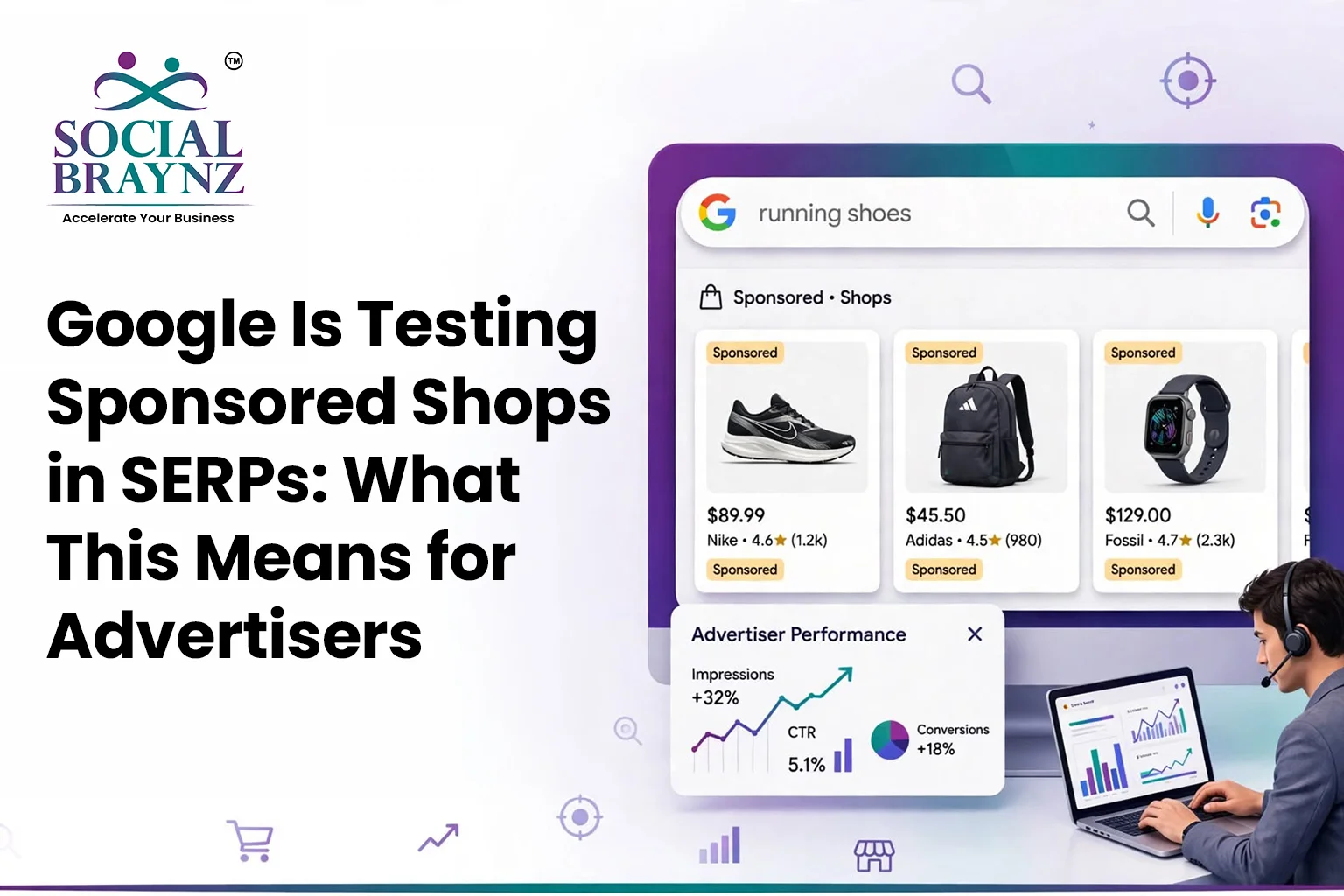
Google is testing a new shopping ad format that could change how retailers appear in search results. Called Google Sponsored Shops, the format brings multiple products from the same retailer together in one sponsored section.
Instead of showing one product at a time, this format displays multiple products from the same store in Google Shopping results, like a mini online shop.
For E-commerce businesses, this could create new opportunities to showcase their products and attract customers. However, its availability to more advertisers remains uncertain.
So, what makes this format different, and what should advertisers know about it?
What Are Google Sponsored Shops?
Google Sponsored Shops is a shopping ad format that groups several products from one retailer into a single sponsored unit. The section may include the retailer's name, product listings, ratings, and other store information.
For example, someone searching for running shoes might see several products from the same retailer grouped together rather than separate listings competing for attention.
This gives shoppers an opportunity to explore more products from one store without opening multiple pages.
The format also puts more focus on the retailer itself, not just the individual product being advertised.
How Is It Different from Google Shopping Ads?
Traditional Google Shopping Ads typically display individual product listings with details such as product images, prices, and retailer information.
Sponsored Shops takes a different approach by grouping multiple products from the same retailer into one sponsored section.
The main difference is how products are presented to shoppers. Traditional Shopping Ads focus on individual products, while Sponsored Shops puts more emphasis on showcasing a retailer's product range in one place.
For advertisers, this could provide another way to attract shoppers who want to compare products before making a purchase.
However, Sponsored Shops should not be considered a replacement for existing Shopping Ads. Its availability, campaign requirements, and long-term role in Google's advertising platform remain unclear.
What Does This Mean for Advertisers?
If Google makes Sponsored Shops more widely available, advertisers may need to look beyond the performance of individual product listings.
Here are three areas worth paying attention to:
1. Product Feed Quality Will Matter
A product feed contains important information about the products a retailer sells, including titles, descriptions, images, prices, and availability.
When multiple products appear together, incomplete or inconsistent information can affect how those products are presented.
Advertisers should regularly review their Google Merchant Center feeds and make sure product details are accurate, images are clear, and prices match their websites.
These improvements are useful even if Sponsored Shops do not become widely available. A well-maintained product feed also supports existing Shopping campaigns and overall performance marketing services.
2. Customer Experience Could Become More Important
Sponsored Shops may give store-level information greater visibility within shopping results.
If ratings and retailer details appear prominently, shoppers may use them when deciding which store to visit.
Retailers should pay attention to genuine customer feedback, resolve common complaints, and ensure their product and delivery information is reliable.
Google has not confirmed whether seller ratings will affect Sponsored Shops eligibility or placement. For now, improving customer experience remains a sensible way to build trust with potential buyers.
3. Product Assortment Deserves Attention
A multi-product ad format could make a retailer's product range more visible.
Businesses should check whether their important products are properly represented in the Merchant Center and whether any listings contain missing information or incorrect availability details.
The goal is not to upload as many products as possible. It is to make sure the catalogue accurately reflects what the business sells and helps shoppers find relevant options.
A focused, well-maintained catalogue can be more useful than a larger one filled with incomplete listings.
Could Performance Max Be Connected to Sponsored Shops?
Advertisers may be wondering whether Google Sponsored Shops will work with existing Performance Max campaigns.
Performance Max Shopping Campaigns use Google's automation to help businesses reach potential customers across its advertising channels.
However, it is not yet clear how Sponsored Shops will work with existing Google Ads campaigns.
For now, advertisers should avoid changing campaign budgets or account structures based on speculation. Instead, focus on maintaining accurate product data, monitoring campaign performance, and keeping up with official Google Ads updates.
Retailer Visibility in SERPs
Search results are becoming more competitive, with paid ads, organic listings, product results, and new shopping experiences all competing for attention. Implementing a coordinated strategy with search engine optimization ensures maximum visibility across both paid and organic placements.
Sponsored Shops could give retailers another way to stand out by presenting several products within one sponsored section.
For smaller businesses, this may create both opportunities and challenges. Larger retailers might have broader catalogues and more established review profiles, but smaller stores can still focus on relevant products, accurate information, competitive offers, and reliable customer service.
It is too early to say which types of retailers will benefit most from the format. Google has not confirmed the factors that will determine its placement or performance.
Ultimately, better visibility does not automatically mean more sales. Advertisers will need to evaluate whether the format attracts relevant visitors and generates profitable conversions.
Steps Advertisers Can Take Today
There is no need to make major changes to your advertising strategy just because Google is exploring a new shopping format.
Instead, focus on the basics:
- Review product feeds: Check product titles, descriptions, images, prices, and availability.
- Improve customer experience: Pay attention to customer reviews, delivery information, and common complaints.
- Check campaign data: Make sure conversion tracking is working correctly and campaign performance is measured accurately.
- Monitor Google Ads updates: Look for official announcements about availability, eligibility, campaign requirements, and reporting.
Advertisers should also pay attention to how Google eventually measures interactions with Sponsored Shops. Understanding which interactions lead to purchases could become important if the format becomes more widely available. The reporting details are not yet confirmed.
Final Thoughts
Did you know? Small improvements in product data, customer experience, and campaign management can make a real difference to your E-commerce advertising efforts.
Google Sponsored Shops could give retailers another way to showcase their products and attract shoppers. However, its availability to more advertisers remains uncertain.
At Social Braynz, we help businesses make smarter digital marketing decisions and improve their advertising strategies.
Want to explore new opportunities for your E-commerce brand? Contact Social Braynz to discuss how we can help your business grow with the right digital marketing approach.